

Why Alcohol, Sleep, and Recovery Are Often Part of the Same Conversation
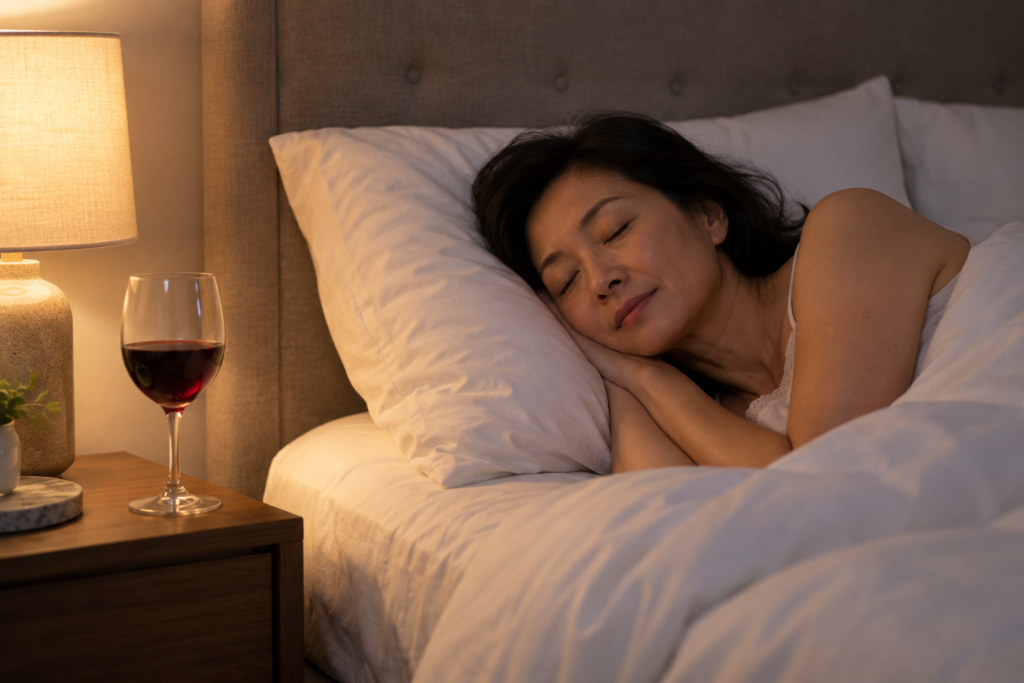
Alcohol, sleep, and recovery are easy to treat as separate parts of your health. You have a drink with dinner or at an event, you go to bed, and the next day you know whether you slept well based largely on how many hours you got. If your energy is low or a workout feels harder, you think of it as a completely separate issue.
Recovery is how well your body and brain recover from the physical and mental demands placed on them. That includes how rested you feel the next day, how well your muscles recover from exercise, how quickly your energy returns after a demanding day, and whether you feel ready to do it again.
That’s where alcohol and sleep become part of the same conversation. Alcohol can affect the sleep you get after you drink, and sleep is one of the main times when that recovery happens. So alcohol can affect sleep, and changes in sleep can affect how well you recover.
The connection is especially easy to miss when alcohol seems to help you fall asleep. Falling asleep quickly and getting normal, restorative sleep aren’t the same thing.
Alcohol Makes You Sleepy Without Giving You Better Sleep
There are several stages of sleep that you move through multiple times during the night. They fall into two main categories: non-REM sleep and REM sleep. Non-REM sleep includes lighter stages of sleep as well as deep sleep, which is when most of the body’s repair and restoration takes place. REM stands for rapid eye movement sleep. It’s during this stage of sleep that the brain becomes highly active, and most of your vivid dreaming happens. This stage appears to play an important role in learning, memory, and processing emotional information. You usually get more REM sleep during the later part of the night. (National Heart, Lung, and Blood Institute — Sleep Phases and Stages)
Sleep architecture is the term researchers use for how these different stages are organized across the night, including when they occur, how long you spend in each stage, and how you move from one stage to another. Two people can spend the same number of hours in bed and still have very different sleep architecture.
A 2025 systematic review and meta-analysis looked at 27 studies examining alcohol and subsequent sleep in healthy adults. The researchers found that alcohol delayed the start of REM sleep and reduced the amount of time people spend in REM sleep which was shown to happen even with a low dose of alcohol, defined in the review as about two standard drinks. The disruption became greater as the dose increased. In the United States, one standard drink contains about 14 grams of pure alcohol, roughly the amount in 5 ounces of table wine at 12% alcohol, 12 ounces of regular beer at 5% alcohol, or 1.5 ounces of 80-proof distilled spirits. The faster-falling-asleep effect showed up only at higher doses, around five standard drinks. The review couldn’t determine a clear effect on total sleep time, sleep efficiency, or time awake after falling asleep because the results across studies were too uncertain.
That distinction matters because alcohol can make you feel sleepy without giving you the same sleep you would have had without it. You may fall asleep quickly but you’ll spend less time in REM sleep, which, as mentioned, is important to memory, learning, and emotional processing. Looking only at how many hours you slept can miss that change. (National Institute of Child Health and Human Development — Sleep)
Why Sleep Is Part of Recovery
Recovery is often discussed as if it only applies to exercise. You lift weights, run, play tennis, take a class, or do something physically demanding, and then you recover before the next session. But recovery also includes how ready you are to function the next day. Your ability to sustain attention, think clearly, produce physical effort, and tolerate another demanding day is part of that picture.
A 2024 systematic review and meta-analysis of 44 studies found that one night of poor sleep increased tiredness and impaired sustained attention, including slower reaction times and more attentional lapses. So when sleep is reduced or disrupted, the next-day effects don’t only show up in physical performance but also in the mental work needed to get through a normal day. (Impact of One Night of Sleep Restriction on Sleepiness and Cognitive Function: A Systematic Review and Meta-Analysis)
Why Alcohol, Sleep, And Recovery Can Show Up as One Pattern
This is where the connection becomes easier to see. Alcohol doesn’t have to leave you with a hangover to affect the next day. You can go to bed at your normal time, sleep for seven or eight hours, and still have had less REM sleep or more disrupted sleep than you would have had without alcohol.
The next morning, that may show up as feeling tired, having a harder time concentrating, or feeling like a normal workout takes more effort than usual. Those things can seem unrelated if you look at them separately. But when they repeatedly follow evenings when you drink, they may be part of the same sequence.
That’s why alcohol, sleep, and recovery need to belong in the same conversation. The question isn’t only if you drank or if you got enough hours of sleep. It’s if alcohol is changing the quality of the sleep you’re getting, and if that change is affecting how well you function the next day.
How to Get Better Information From Your Own Pattern
Many people judge alcohol by whether they felt intoxicated and judge sleep by how quickly they fell asleep or how many hours they were in bed. The easiest way to notice if alcohol is affecting your sleep is to compare nights when you drink with nights when you don’t. Look at the amount of alcohol, how close it was to bedtime, if you woke during the night, how rested you felt in the morning, and what your energy, attention, and physical performance were the next day. If you regularly sleep worse or feel less recovered the day after drinking, alcohol may be part of the reason.